
Buying guide · reviewed 22 October 2026
A Fatobuy buying guide for easier dressing
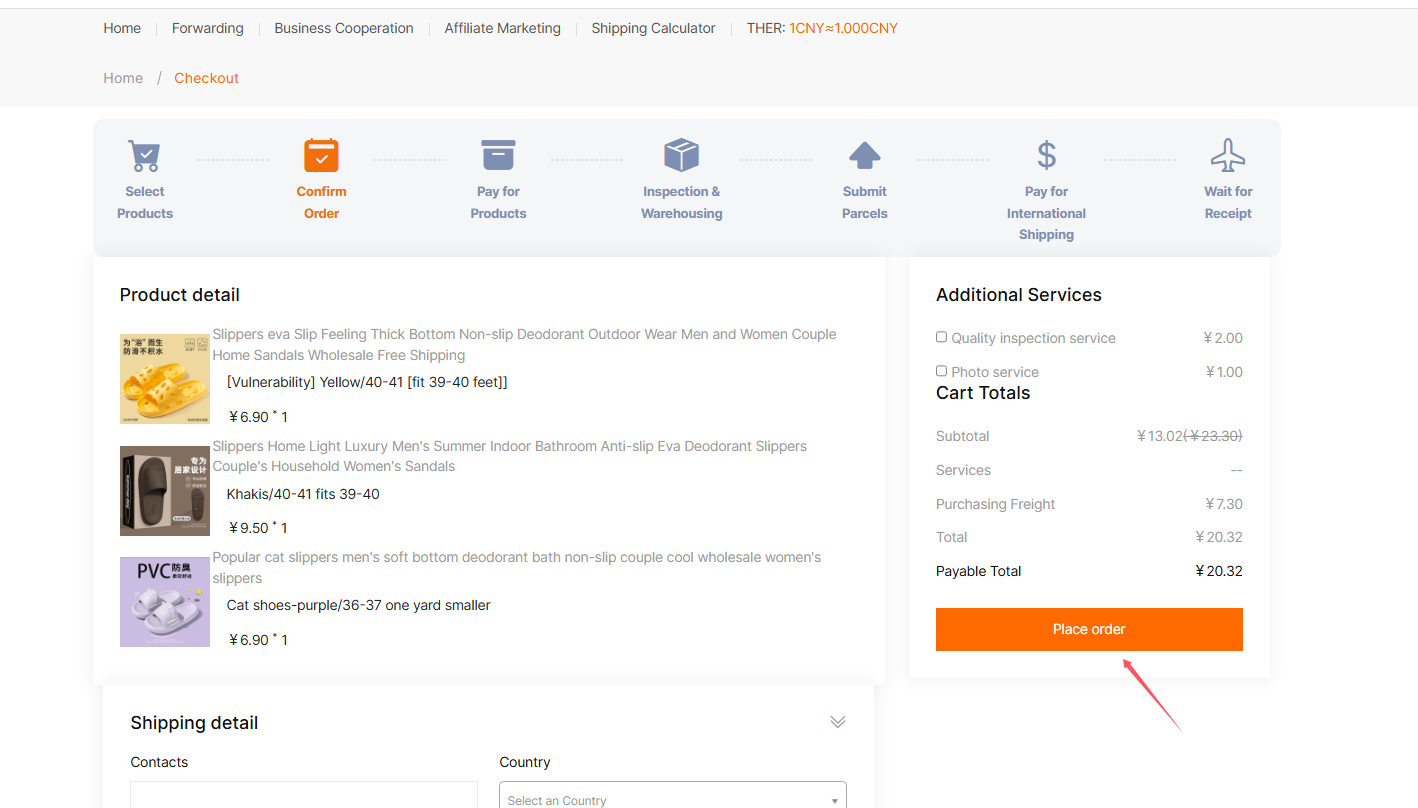
The sequence below follows the order of Fatobuy’s currently published purchase and parcel tutorial: nine steps, then receipt. The practical checks focus on dressing effort. Official tutorial pictures are reproduced in their original order; their example products, prices and interface are not a live account or a current quote.
1. Find the item
Choose a candidate by the movements it requires: overhead reach, one hand, a pinch, a bend or standing. Look for the actual opening and closure in the pictures. A term such as easy-on or elastic is a lead to investigate, not evidence that the wearer will manage the garment.
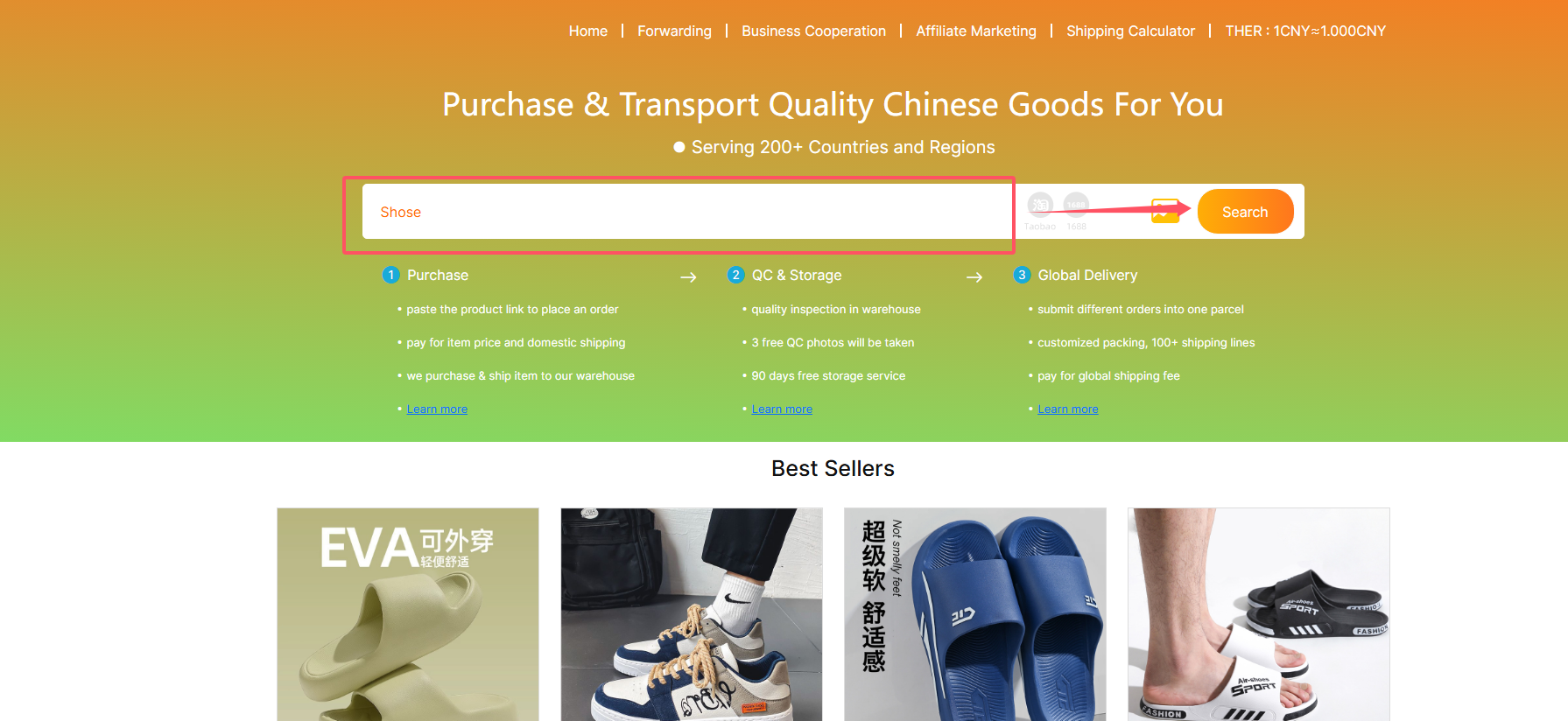
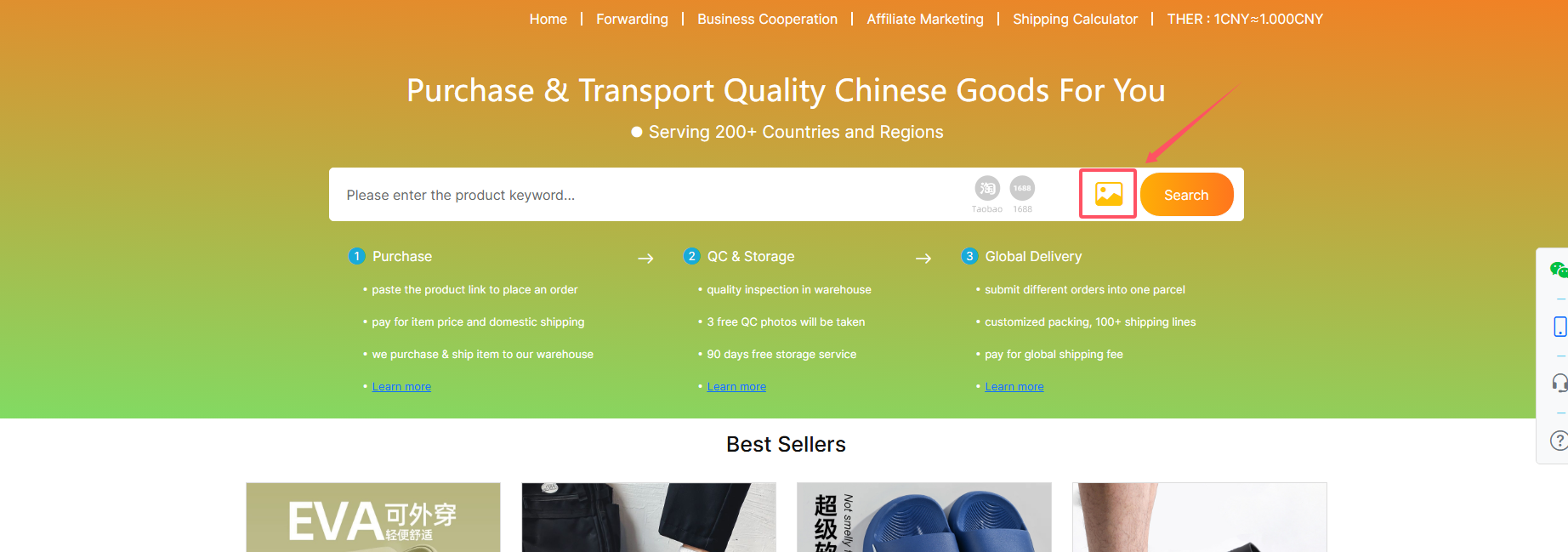
2. Confirm the product order
Confirm whether a zip separates, whether a cord is needed to hold the waist, and which size measurements apply. Save the option and the seller’s specific answer. Ask one concrete question at a time instead of asking whether something is “easy for everyone”.
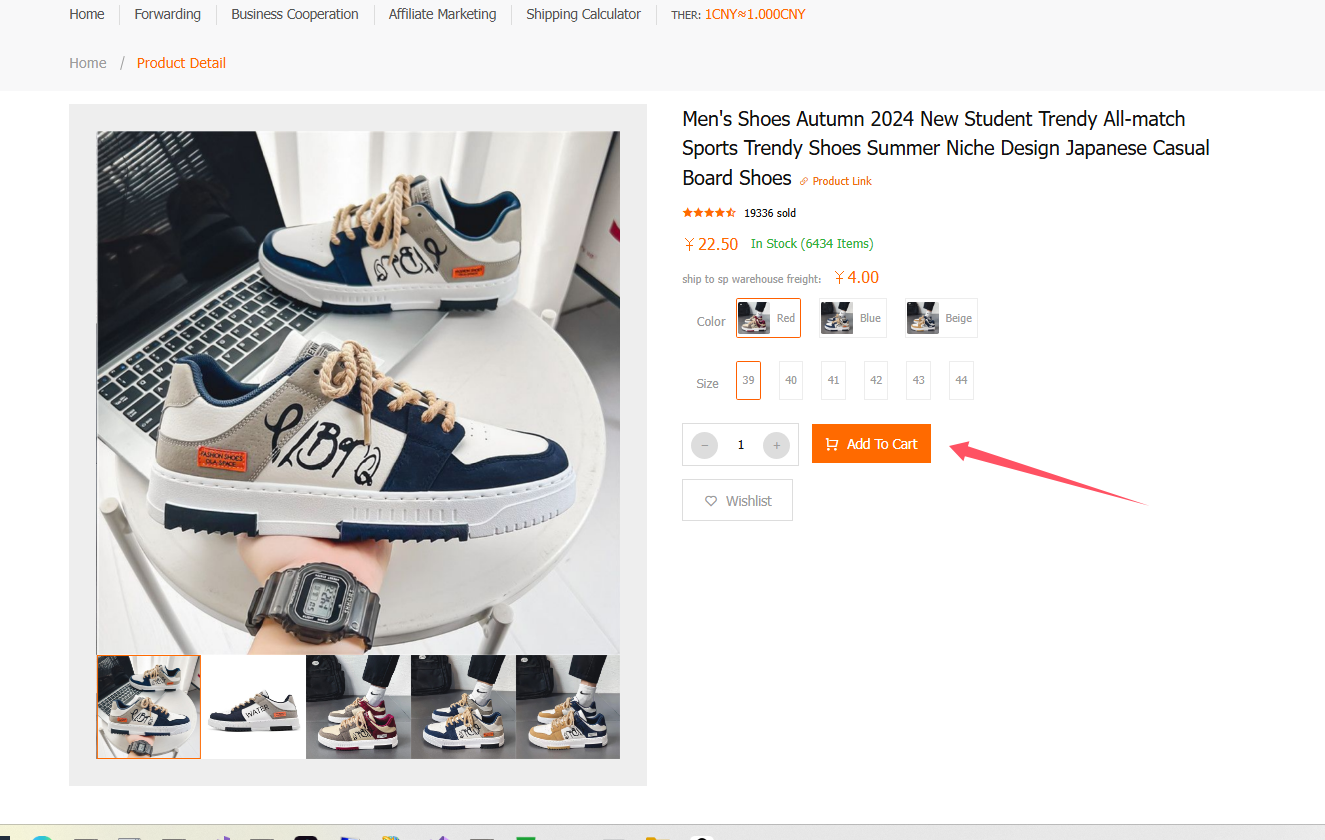
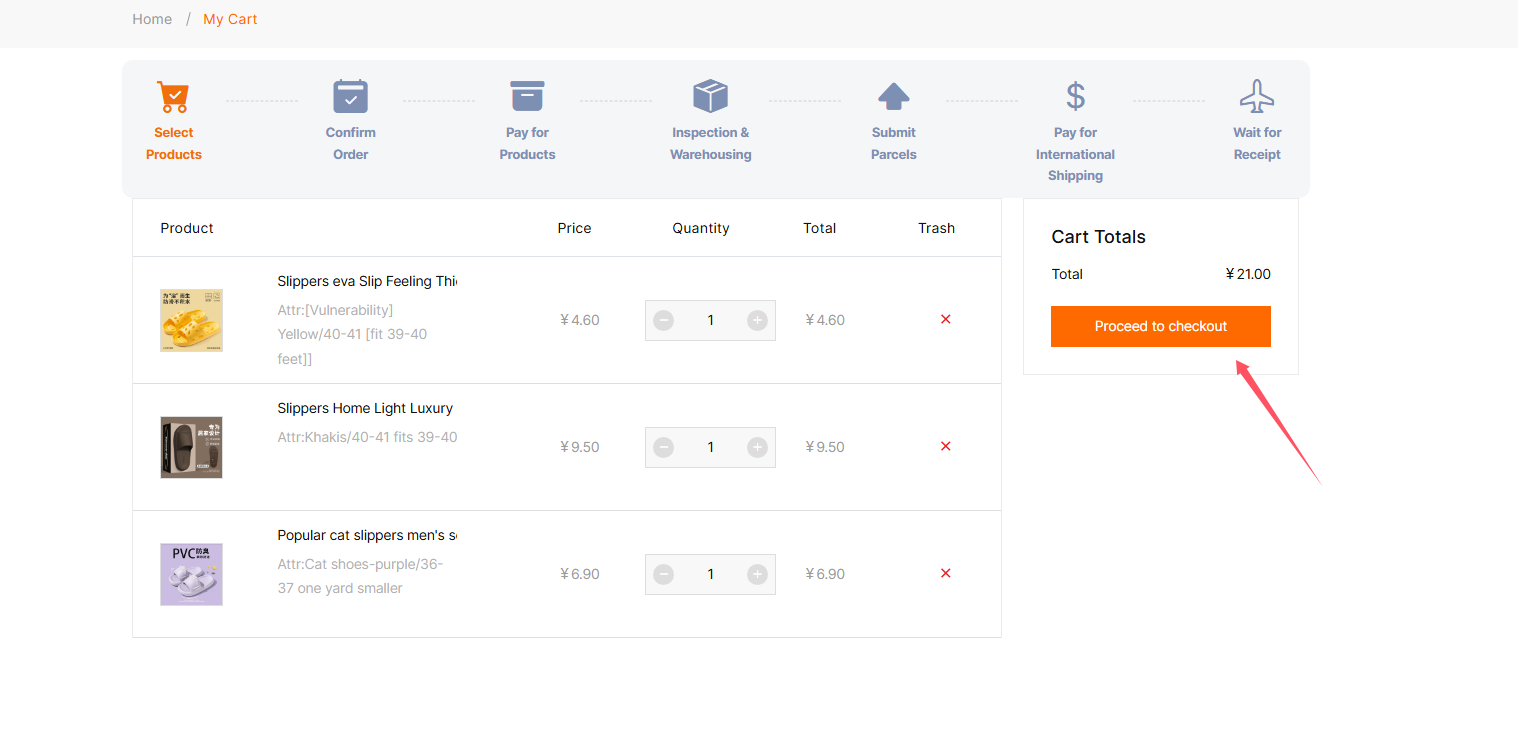
3. Review and pay the product amount
Review the item and domestic delivery amounts, destination and optional photo requests. Keep future parcel shipping in a separate budget. If you need help comparing controls or clothing, decide that before payment; this guide and its tool do not assess an individual’s medical or functional needs.
4. Follow the seller purchase
Read the agent’s purchasing status and messages. If a replacement is proposed, recheck its opening and fastener even when the colour and size match. A substitution from a separating zip to a closed-bottom zip can change how the item is put on.
5. Review warehouse checks and storage
Request the actual closure detail: pin and box at the hem, the full waistband, or the shoe strap opening. A photograph can reveal structure but not how much force the wearer needs. If a paid inspection is requested, confirm its exact scope and cost; a zip being operable by staff is not personal usability approval.
6. Choose the parcel contents and route
Choose the garments that are ready and settle any unresolved closure question before submitting a parcel. Ask about restrictions for magnets or other unusual contents. Keep packaging and tags required for an unresolved remedy; parcel submission is not the moment to discover the wrong opening.
7. Review the international shipping deposit
Check route eligibility, chargeable dimensions, packing and the current payment total. Do not buy extra pictures that cannot answer the remaining question: a still photograph cannot measure dexterity, grip strength or comfort. Keep the proposed delivery range separate from seller and warehouse processing.
8. Check packing and dispatch
Save the parcel identifier and read tracking after release. If an item was held back for a question, check that it is not included accidentally. Match the parcel contents list to the orders you intended to ship.
9. Follow the shipment
Use the carrier’s tracking and the agent’s parcel record together when enquiring about a delay. Keep the last event and its date in the message. An absence of scans does not by itself show whether the parcel is lost or only awaiting a handover.
10. Receive and check the parcel
Compare the closure and dimensions before removing tags or washing. A familiar garment can help assess the opening, but do not force a movement or fastening that causes pain or instability. For individual dressing advice, follow the person’s own clinician or occupational therapist; document a product mismatch separately.
QC: turn a photograph into a decision
For a garment with a confirmed opening and closure, start with the selected option and the received item, then examine the detail that decides dressing effort. In buyer discussions, QC means quality-control photographs; GL and RL are shorthand for a buyer’s acceptance or concern. They are not laboratory results, an agent guarantee or a substitute for your own order instructions.
| What you find | What to establish | What to do next |
|---|---|---|
| The zipper bottom is hidden | Request a close-up showing whether it separates. | A front zip is not enough information about the hand movements needed. |
| A listing says elastic but a tie is shown | Ask whether the elastic alone holds the waistband and whether the cord is removable. | Do not promise that the garment can be managed with one hand. |
| A closure works for staff but not for its wearer | Record what was actually tested and what remains personal. | Use a familiar garment for comparison; a QC check is not an individual ability assessment. |
A detail absent from a photo remains unverified in that photo. It does not prove that a warehouse worker skipped a check. Use the specific help page to name the missing evidence.
Fees, currency and the delivered total
For a clothing decision, pay for an extra photo only when it can answer a specific visible question. A photograph cannot tell you the strength needed to pull a zipper or the effort a particular wearer will need.
| Stage | Record | Why it matters |
|---|---|---|
| Candidate garment | Exact opening/closure variant, size and local delivery | A familiar-looking product may require a different dressing movement. |
| Useful verification | The one missing visible detail and any clearly scoped inspection | Separate a photo service from individual usability advice. |
| Delivered total | Converted payment, suitable parcel route and destination charges | Compare with a local try-on option when physical assessment matters most. |
Compare the version with the needed closure, not merely a matching colour. Include a paid detail view only if it can establish a visible feature such as a separating zip. Record the checkout’s converted debit and later parcel cost once each; paying for more pictures does not turn them into an assessment of grip strength or comfort.
Read the dressing effort and agent-service notes before choosing paid options.
When this order needs a response
| Stage | Request or establish | Keep this boundary |
|---|---|---|
| Before ordering | Confirm the opening, closure type and garment measurements against a familiar item. | Do not rely on an easy-on label or assume all elastic waists work alike. |
| Substitute proposed | Recheck the fastening and dressing sequence even if size and colour match. | Do not accept a closed-bottom zip as equivalent to a separating one. |
| QC still leaves a question | Ask for the hidden fastener detail or an explicitly scoped inspection. | Do not ask a still photograph to measure force, balance or dexterity. |
| After arrival or a return request | Document the product mismatch with tags intact and request the applicable remedy in the official account. | Do not force an uncomfortable or unstable movement to prove the garment can be used. |
For official Fatobuy support, name the closure and show the unanswered area, such as the pin and box at the bottom of a zip. Ask what a proposed paid check can establish and its current price. Keep personal difficulty separate from a supplied-item mismatch; the agent’s worker is not a proxy for the intended wearer’s ability.
Open the official Fatobuy site to use its account support. This independent guide cannot access your account.
Questions before you continue
Does this Spreadsheet take the order?
No. It helps you discover and examine a seller listing. The seller supplies the product; Fatobuy provides the agent and parcel services. Complete the purchase and any support request through the official account.
Does paying for a photo make a product suitable?
No. A photo service can supply specified visible evidence. It does not establish the actual wearer’s fit, comfort, safety or long-term durability.
Can a stored item wait while I decide?
Check its actual stock-in date and the current storage conditions. The storage period and a seller’s return window are different clocks. Waiting for optional photos does not establish that either deadline has been extended.
Continue with agent services and costs or the next specialist check.